
Creating visual harmony throughout your home requires thoughtful transitions between different flooring materials. Many homeowners love both hardwood and carpet but struggle with combining them elegantly. Floors Elite DFW reveals professional design secrets for seamlessly blending these beloved materials into cohesive, stunning interiors.
Understanding Undertones
The secret to successful flooring combinations lies in undertones—those subtle color hints beneath the dominant shade. Wood floors carry warm undertones (red, orange, yellow) or cool undertones (gray, blue, green). Your carpet selection must acknowledge these undertones to avoid visual conflict.
Pair warm-toned walnut or cherry hardwood with carpets featuring complementary warm neutrals—creamy beiges, soft taupes, or gentle terracotta tones. Cool-toned gray hardwood or whitewashed oak pairs beautifully with carpets in crisp gray, blue-gray, or cool greens.
Strategic Room Placement
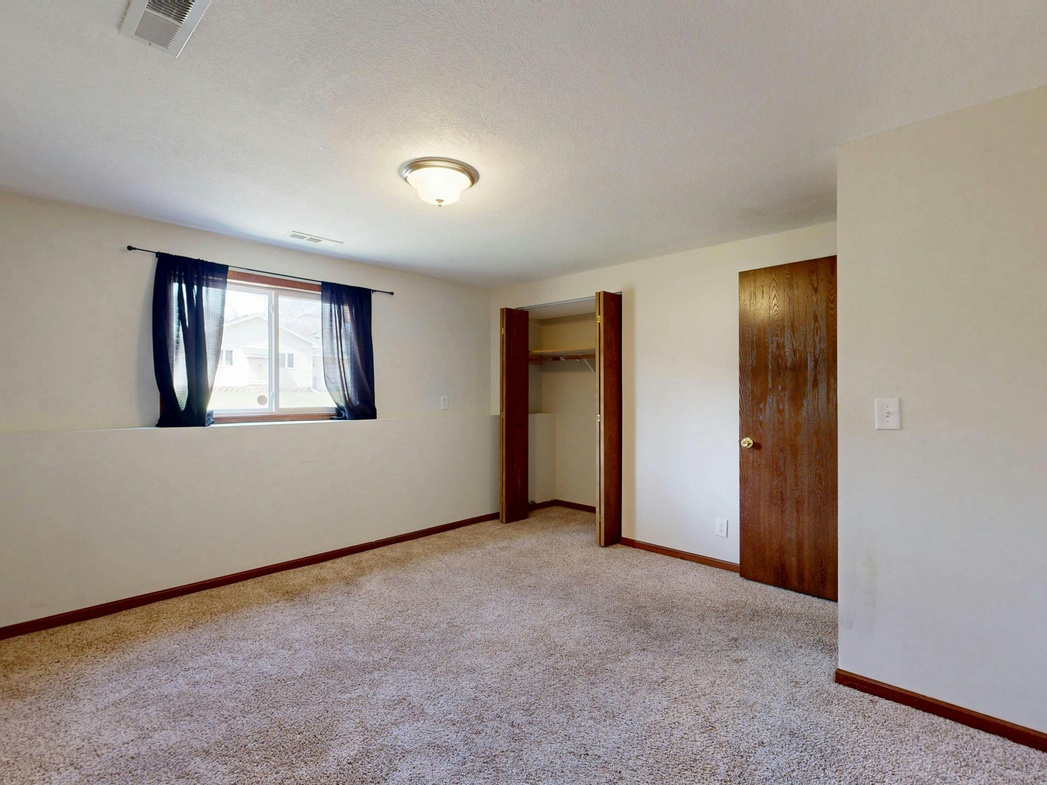
Consider traffic patterns and room functions when planning where wood meets carpet. Hardwood excels in kitchens, living areas, and hallways where durability and easy cleaning matter most. Carpet naturally belongs in bedrooms, children's rooms, and cozy dens where comfort takes priority.
The transition points between these areas deserve special attention. Professional installation includes transition strips that protect edges while creating clean visual breaks. Choose metal strips in finishes that complement your hardware throughout the home for polished continuity.
Playing With Scale and Texture
Wide-plank hardwood creates expansive, modern feelings in open living areas. Transitioning to plush, high-pile carpet in bedrooms maintains luxury while shifting the sensory experience. Alternatively, narrow-plank traditional hardwood pairs beautifully with low-pile, tightly woven carpets for classic elegance.
Texture provides another unifying element. Distressed or hand-scraped hardwood echoes the tactile interest of textured loop carpet. Smooth, glossy hardwood finishes complement sleek, cut-pile carpets. Matching texture levels throughout creates subliminal coherence.
The Power of Repetition
Interior designers use repetition to create unity. If your hardwood features prominent grain patterns, echo those linear elements in subtle carpet patterns. A solid carpet can feature a textured stripe that mirrors wood grain direction, creating connection without competition.
Color repetition works powerfully too. Pull a secondary color from your hardwood's grain for your carpet selection, or choose carpet that matches the lightest tones in your wood's finish.
Lighting Considerations
Both wood and carpet appear dramatically different under various lighting conditions. Before finalizing selections, view samples in your actual rooms at different times of day. Morning light, afternoon sun, and evening artificial light all reveal different characteristics.
Floors Elite DFW's Southlake, TX showroom provides expert guidance for homeowners creating harmonious flooring schemes. Our design consultants help you navigate color theory, texture matching, and practical considerations, ensuring your wood and carpet selections work together beautifully.


